Logistics Diversification: Trans-Caspian Middle Corridor Sees 22% Surge in CRM Transit
24 Feb 2026
Persistent security volatilities in traditional maritime shipping lanes have driven a major shift toward overland logistics in early 2026. The Trans-Caspian International Transport Route (TITR), commonly known as the Middle Corridor, recorded a 22% month-on-month increase in critical mineral and ferroalloy transit volumes during February.
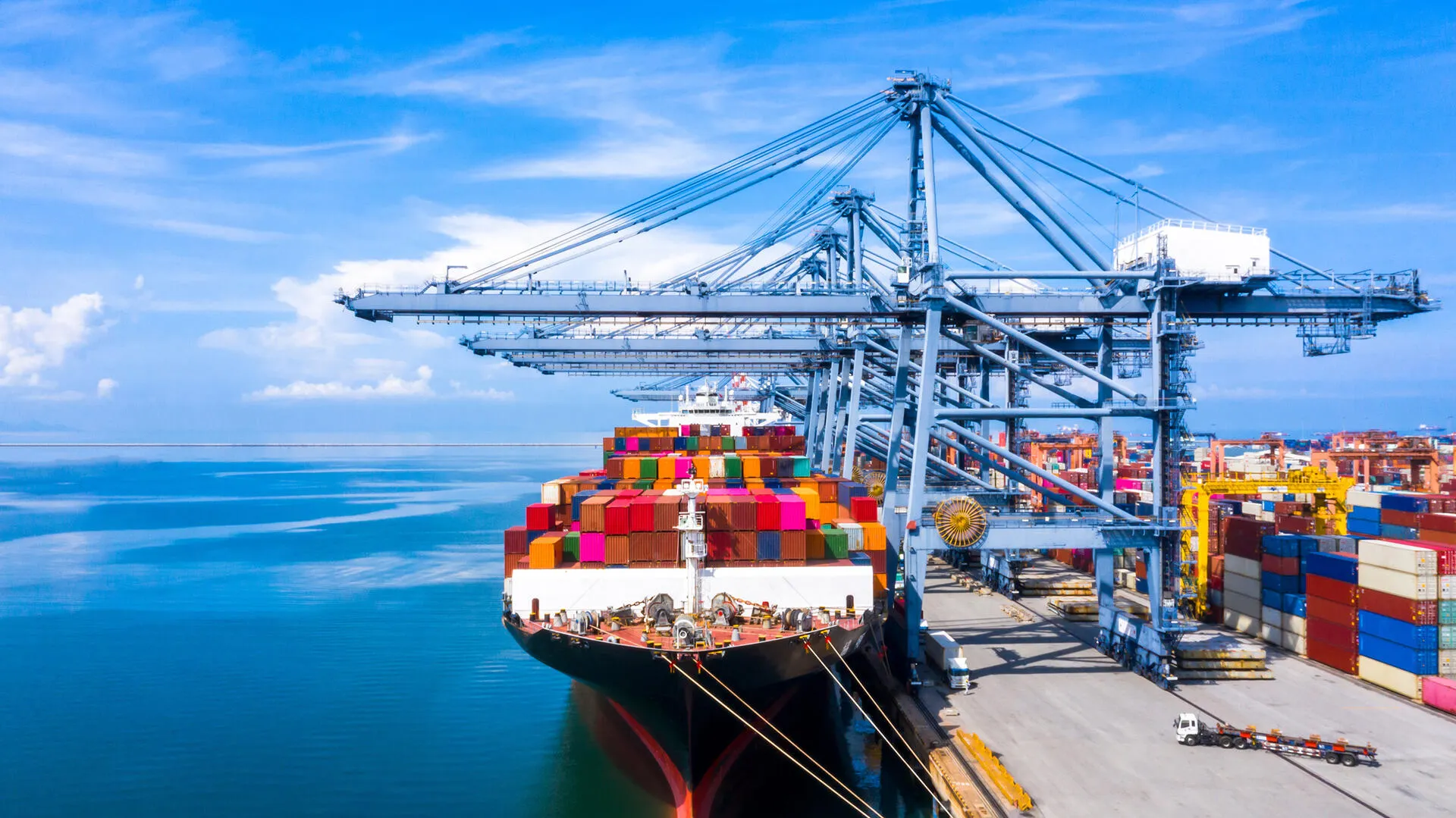
The corridor, which connects Central Asian mining hubs to Europe via Kazakhstan, Azerbaijan, and Georgia, has become an essential alternative for transporting copper anodes, ferro-manganese, and specialized technological ores. Infrastructure investments made throughout late 2025 have successfully optimized container handling at the ports of Aktau and Baku, reducing average transit times from Almaty to Central European destinations to 19 days, down from 25 days last year.
While rail and multi-modal freight rates along the Middle Corridor remain roughly 15% higher than traditional ocean shipping, GranTi logistics experts emphasize that the predictability and reduced risk profile justify the premium for high-value CRMs. As European manufacturers prioritize supply chain resilience over pure cost-minimization ahead of the spring manufacturing peak, the Middle Corridor is solidifying its role as a permanent backbone of EU-Asian raw material trade.